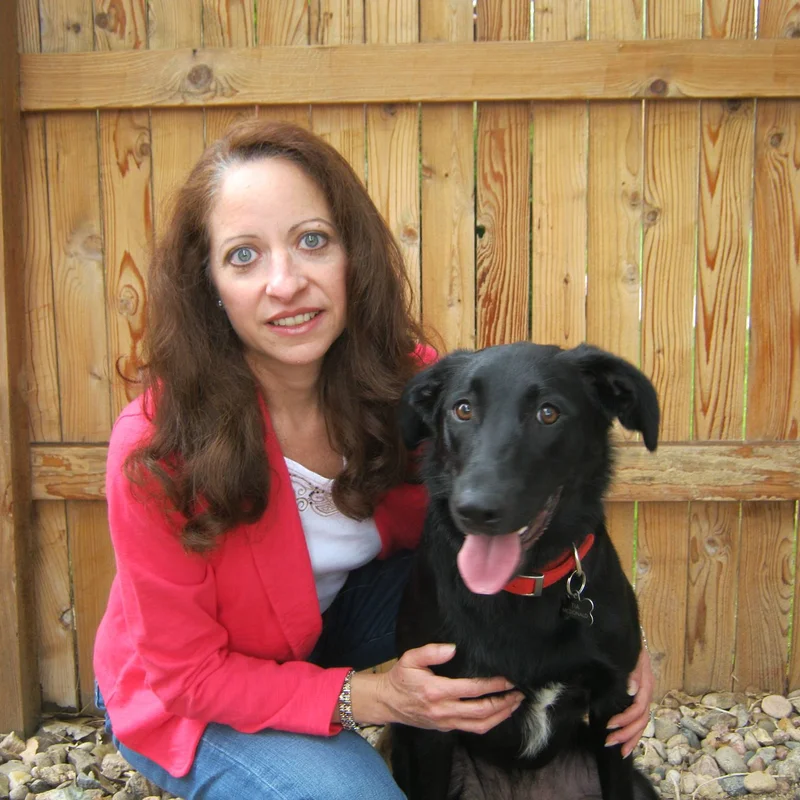
I'm Bernie Edmonds-McDonald, founder of BCR Realty and a Senior Real Estate Specialist (SRES®). Before real estate, I spent years auditing banks — and that eye for detail and numbers shapes how I approach every client conversation. I've spent more than two decades working with seniors across the Denver metro area, and if there's one thing I've learned, it's this: what people think they need in their next home and what they actually need are often two very different things.
When I first sit down with a client—whether they're in Littleton, Highlands Ranch, Aurora, or anywhere in between—the conversation usually starts with square footage, number of bedrooms, or a specific neighborhood. But as we dig deeper, what emerges is a much more nuanced picture of what truly matters in this next chapter of life. And it's rarely about the granite countertops.
The Single-Level Living Conversation Nobody Wants to Have
Let me be honest: most of my clients don't want to admit that stairs are becoming a problem. I get it. Acknowledging that climbing to the second floor feels harder than it used to can feel like admitting defeat. But here's what I see happen time and time again—couples buy a beautiful two-story home because they love the layout, then find themselves using only the main floor within a year.
It's a pattern I see regularly — a couple insists they want a second floor for visiting grandkids or a basement for storage, and within the first year they're barely using either. A minor health setback, a bad winter, and suddenly those stairs aren't a selling feature anymore — they're a daily obstacle.
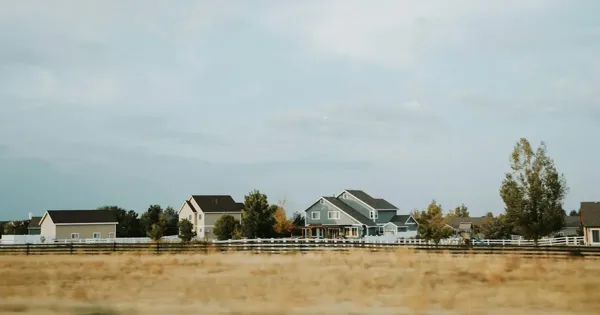
Single-level living isn't about limitation. It's about freedom. It's about not having to think twice before doing laundry or going to bed. The ranch-style homes that define so much of Denver's suburban landscape—especially in areas like Lakewood, Arvada, and Westminster—suddenly make a lot more sense when you're prioritizing daily comfort over theoretical space.
Medical Care Isn't Just About Proximity—It's About Peace of Mind
I've noticed a pattern over the years. When seniors first start looking for a new home, medical facilities rarely make the top-five list. But by the time we're ready to make an offer, proximity to quality healthcare has usually moved into the top three.
This shift isn't about pessimism—it's about reality. Denver has excellent medical facilities, from UCHealth University of Colorado Hospital in Aurora to Presbyterian/St. Luke's in the Uptown area, Swedish Medical Center in Englewood, and numerous urgent care and specialty clinics throughout the metro. Being within a reasonable drive—or better yet, a short drive—from your primary care physician and specialists isn't just convenient. It's one less thing to worry about.
It's one of those things that becomes very real very fast once you're mapping out drive times to specialist appointments. A home that looks perfect on paper — great neighborhood, great price — can quickly feel wrong when twice-monthly doctor visits mean an hour each way in Denver traffic. Proximity to healthcare isn't pessimism. It's just good planning.
The Maintenance Question: What Are You Really Signing Up For?
Here's a conversation I have at least once a week: "Bernie, I don't want to deal with an HOA. I've owned my own home for forty years, and I'm not about to start paying someone to tell me what color I can paint my front door."
I understand that resistance. I really do. But then I ask: "What's your plan for mowing the lawn when you're 80? Who's going to shovel the driveway next January? What happens when the roof needs replacing?"
The truth is, low-maintenance living means different things to different people. For some of my clients, it means a condo or townhome in a community like Reunion in Commerce City or Stapleton (now Central Park) where the HOA handles everything from landscaping to snow removal. For others, it means a single-family home with a small, manageable yard and a reliable handyman on speed dial.
What I've learned is that the clients who thrive in their new homes are the ones who are honest with themselves about what they want to spend their time doing. If you love gardening, a small yard might be perfect. If you'd rather spend your weekends hiking in the Rockies or visiting grandkids in Boulder, an HOA that handles the outdoor work might be exactly what you need.
I've seen this play out more times than I can count. Someone is certain they want a yard — and a year later, the yard has become a chore that's eating their weekends. Retirement should mean more freedom, not less. A townhome or patio home in a maintained community often turns out to be exactly the right trade.
Accessible Features You Don't Think About Until You Need Them
I've walked through thousands of homes with senior clients, and I've developed an eye for the details that matter. Wider doorways. A zero-threshold walk-in shower. Lever-style door handles instead of knobs. A first-floor bedroom and full bathroom. Good lighting—not just overhead fixtures, but layered lighting that makes spaces safer and more comfortable.
These aren't just nice-to-haves. They're the features that allow people to age in place if they choose to. And even if you're not thinking about aging in place right now, having these features means your home will be more marketable down the road and more comfortable in the meantime.
I can't tell you how many times I've had clients dismiss these concerns. "I'm only 62, Bernie. I don't need that stuff yet." But then we tour a home with a beautiful master bathroom that requires stepping over a tub ledge to access the shower, and I watch them hesitate. That hesitation tells me everything I need to know.
The homes that work best for my senior clients are the ones designed with universal accessibility in mind—not because they need it all today, but because it makes life easier now and provides options for the future. Communities like Highlands Ranch and Centennial have newer construction that often incorporates these features as standard.
The Emotional Weight of Leaving Home
Here's what the real estate listings don't tell you: selling the home where you raised your family is hard. Really hard.
I've sat at kitchen tables in Lakewood and Englewood and Wheat Ridge with clients who are ready—logically—to downsize, but emotionally, they're struggling. This is the house where their kids learned to ride bikes. Where they hosted Thanksgiving for twenty years. Where they painted the nursery and later helped their daughter get ready for prom.
I never rush this process. I've learned that my job isn't just to help people find a new house—it's to help them envision a new chapter. Sometimes that means having hard conversations about what's realistic. Sometimes it means giving them permission to grieve what they're leaving behind. And sometimes it means helping them see that moving closer to their daughter in Aurora or their son in Broomfield isn't giving up independence—it's choosing connection.
What I've found, time and again, is that the clients who are most reluctant to leave end up being the most grateful once they're settled. The grief is real — and I never minimize it — but so is what comes next. A smaller home closer to family often means more connection, not less independence. That perspective shift is something I feel privileged to witness.
Staying Close to What Matters
At the end of the day, the homes that work best for my senior clients aren't necessarily the biggest, the newest, or the fanciest. They're the ones that keep people connected to what matters most.
For some clients, that means staying in the same neighborhood where they've lived for decades—close to their church, their book club, their favorite walking path around Sloan's Lake or Washington Park. For others, it means moving closer to family, even if that means leaving a longtime community behind.
I've had clients relocate from Boulder to Highlands Ranch to be near their kids. I've had others move from the suburbs back into Denver proper because they wanted walkability and access to cultural activities. There's no one-size-fits-all answer, but the common thread is always the same: proximity to community, whether that's geographic, social, or familial.
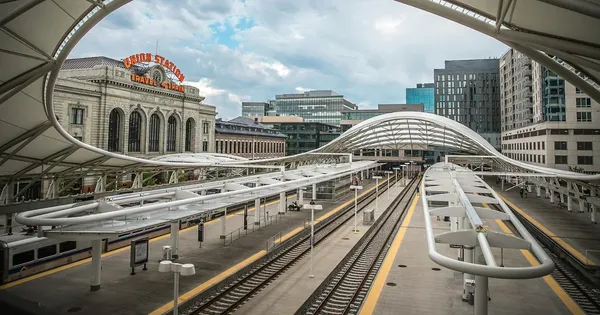
The Denver metro area offers incredible options for seniors who want to stay engaged and connected. From the 55+ communities in Aurora to the walkable neighborhoods of Cherry Creek and Wash Park, from the mountain-adjacent towns like Golden and Evergreen to the quieter suburbs of Centennial and Castle Rock—there's a place that fits.
What I've Learned After Two Decades
If I could distill twenty-plus years of working with Denver seniors into one insight, it would be this: the best home for this stage of life is the one that removes barriers and creates possibilities.
It's the home that doesn't make you think twice about navigating your daily routine. It's the home that's close enough to your doctor that appointments feel manageable, not overwhelming. It's the home that frees you from spending weekends on maintenance you no longer enjoy. It's the home with the features that let you live comfortably now and adapt as your needs change. And it's the home that keeps you connected to the people and places that make life meaningful.
These aren't always easy conversations to have, but they're necessary ones. And after all these years, I've learned that my clients don't need someone to tell them what they want—they need someone who will listen, ask the right questions, and help them figure out what they actually need.
Ready to Take the Next Step?
If you're thinking about what your next home should look like—or if you're helping aging parents navigate this transition—I'd love to talk. As a Senior Real Estate Specialist (SRES®), I've spent my career understanding the unique needs of Denver-area seniors, and I'm here to help you find a home that truly fits this chapter of your life. Schedule a free consultation and let's talk about what matters most to you.