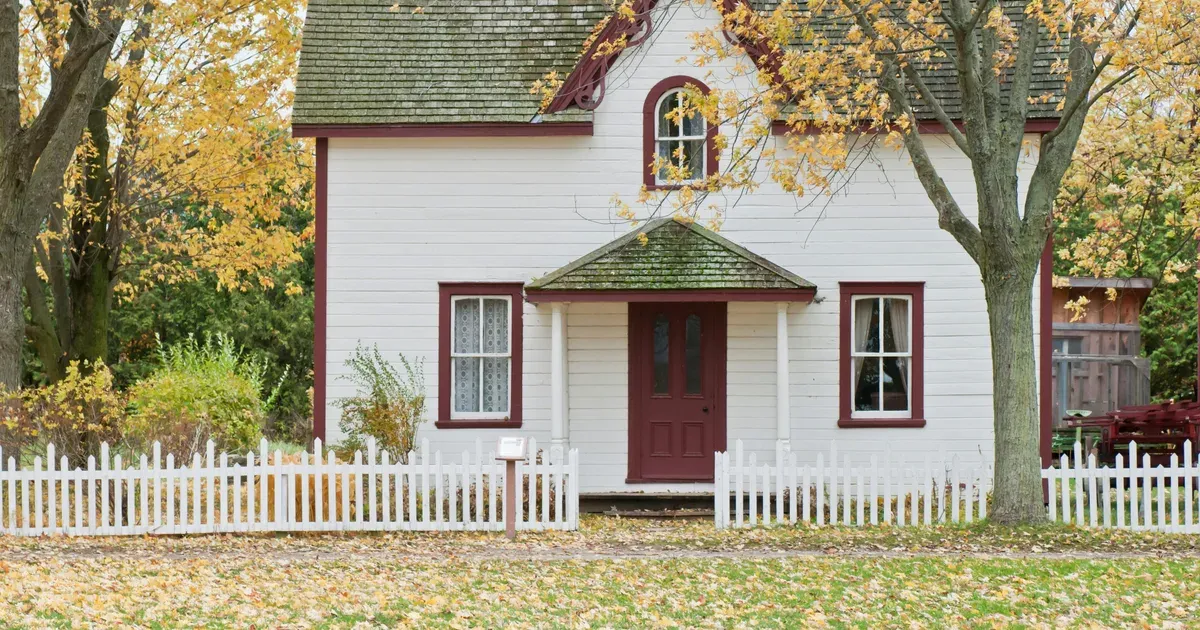
Understanding the key differences between age-restricted communities and traditional homeownership is crucial when making one of life's most important decisions. Both options offer unique benefits and challenges, and the right choice depends on your personal priorities, lifestyle preferences, and long-term goals.
The Appeal of Age-Restricted Communities
Age-restricted communities, typically for residents 55 and older, offer a lifestyle designed around convenience, social engagement, and reduced maintenance responsibilities. These communities provide amenities, organized activities, and a built-in social network of peers.
Advantages of Community Living
Low-Maintenance Lifestyle: Exterior maintenance, landscaping, and often snow removal are handled by the HOA, freeing up time for leisure and hobbies.
Social Opportunities: Regular activities, clubs, and events make it easy to stay socially active and meet like-minded neighbors.
Resort-Style Amenities: Access to pools, fitness centers, golf courses, and clubhouses rival upscale resort living.
Security and Peace of Mind: Gated entrances and community oversight provide added security and peace of mind.
Considerations for Community Living
HOA Fees: Monthly fees cover maintenance and amenities but add to overall living costs.
Rules and Restrictions: Communities have guidelines about modifications, rentals, and even guest policies that may feel restrictive.
Downsizing Required: Most community homes are smaller, requiring significant downsizing from a traditional family home.
Less Privacy: Closer proximity to neighbors and shared spaces mean less privacy than a standalone home.
The Independence of Owning Your Own Home
Traditional homeownership offers maximum independence, customization options, and the freedom to live life on your own terms without HOA restrictions or community guidelines.
Advantages of Homeownership
Complete Control: Freedom to modify, renovate, and personalize your property without seeking approval.
Privacy: More space between neighbors and no shared walls or common areas.
Potential Investment: Real estate can appreciate over time, building equity and wealth.
Multigenerational Living: Space for family visits, grandchildren stays, or even adult children returning home.
Considerations for Homeownership
Maintenance Responsibilities: All upkeep, repairs, and improvements fall on the homeowner, requiring time, effort, and expense.
Isolation Risk: Without a built-in community, maintaining social connections requires more effort.
Safety Concerns: As mobility decreases, maintaining a larger property and navigating stairs can become challenging.
Financial Burden: Property taxes, insurance, utilities, and maintenance costs can strain fixed retirement incomes.
Making the Right Choice for Your Lifestyle
The decision between an age-restricted community and traditional homeownership isn't one-size-fits-all. Consider these key questions:
- How important is social interaction and organized activities to your happiness?
- Are you comfortable with HOA rules and monthly fees in exchange for reduced maintenance?
- Do you value independence and privacy over convenience and amenities?
- Can you physically and financially maintain a traditional home long-term?
- How much space do you truly need for your current and future lifestyle?
Financial Considerations
Beyond the purchase price, evaluate the total cost of ownership for both options:
Community Living: Lower purchase prices, HOA fees, reduced utility costs, and predictable maintenance expenses.
Traditional Home: Higher purchase prices, variable maintenance costs, higher utilities, and potential for unexpected major repairs.
Conclusion
Both age-restricted communities and traditional homeownership have merits, and the best choice depends on your personal circumstances, values, and vision for your retirement years. Consider touring communities, talking to current residents, and honestly assessing your priorities before making this important decision. The right choice is the one that aligns with your lifestyle, financial situation, and long-term goals for happiness and well-being.